


Redevelopment
An architectural redevelopment is a comprehensive, living document that defines the goals, constraints, and requirements for replacing or repurposing existing structures and land to create new, modern and functional spaces.
It captures the client’s vision, functional needs, site context, and budgetary limitations, acting as a critical, actionable guide for designers to balance new, functional improvements with the site’s original, valuable essence.
Key Components of a Redevelopment Brief
- Project Objectives: Clearly defined goals for the redevelopment, including the vision, mission, and desired outcomes.
- Site Context & Constraints: Analysis of existing, surrounding, and site-specific conditions (topography, climate, traffic, utilities) and any historical, social, or environmental constraints.
- Functional Requirements (The Program): A detailed list of spaces to be included, along with their size,, purpose, and relationship to one another.
- Budget & Timeline: Realistic, agreed-upon financial limits, including construction, professional fees, and a preliminary schedule for project phases.
- Sustainability & Compliance: Specific targets for environmental performance, energy efficiency, and compliance with local building codes and regulations.
- Stakeholder & User Needs: Description of the target user groups, their activities, and cultural requirements.
- Design & Aesthetics: Guidelines on the desired aesthetic, brand identity, or cultural, social and historical elements to be preserved or created.
The redevelopment brief is essential for identifying the “essence” of a space and balancing it with the need for new, improved functionality. It is often refined throughout the design process as requirements become clearer.
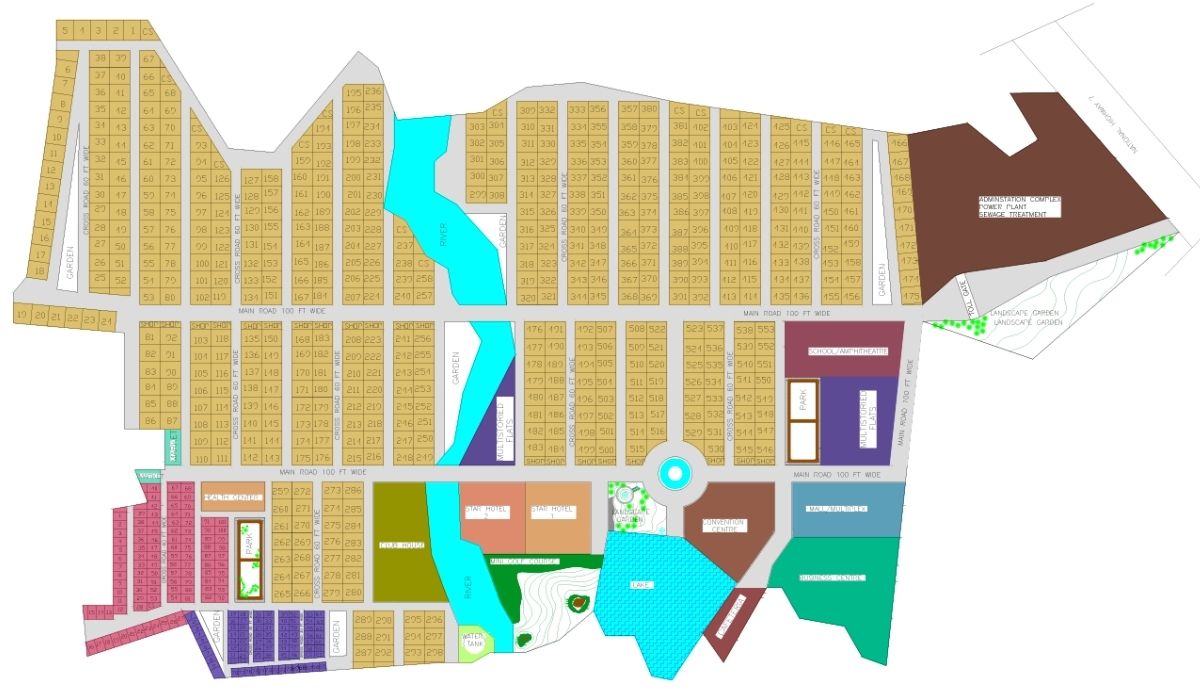
Redevelopment Project
No matching results.